What Drivers in Ohio Should Know About Refusing a Breath Test
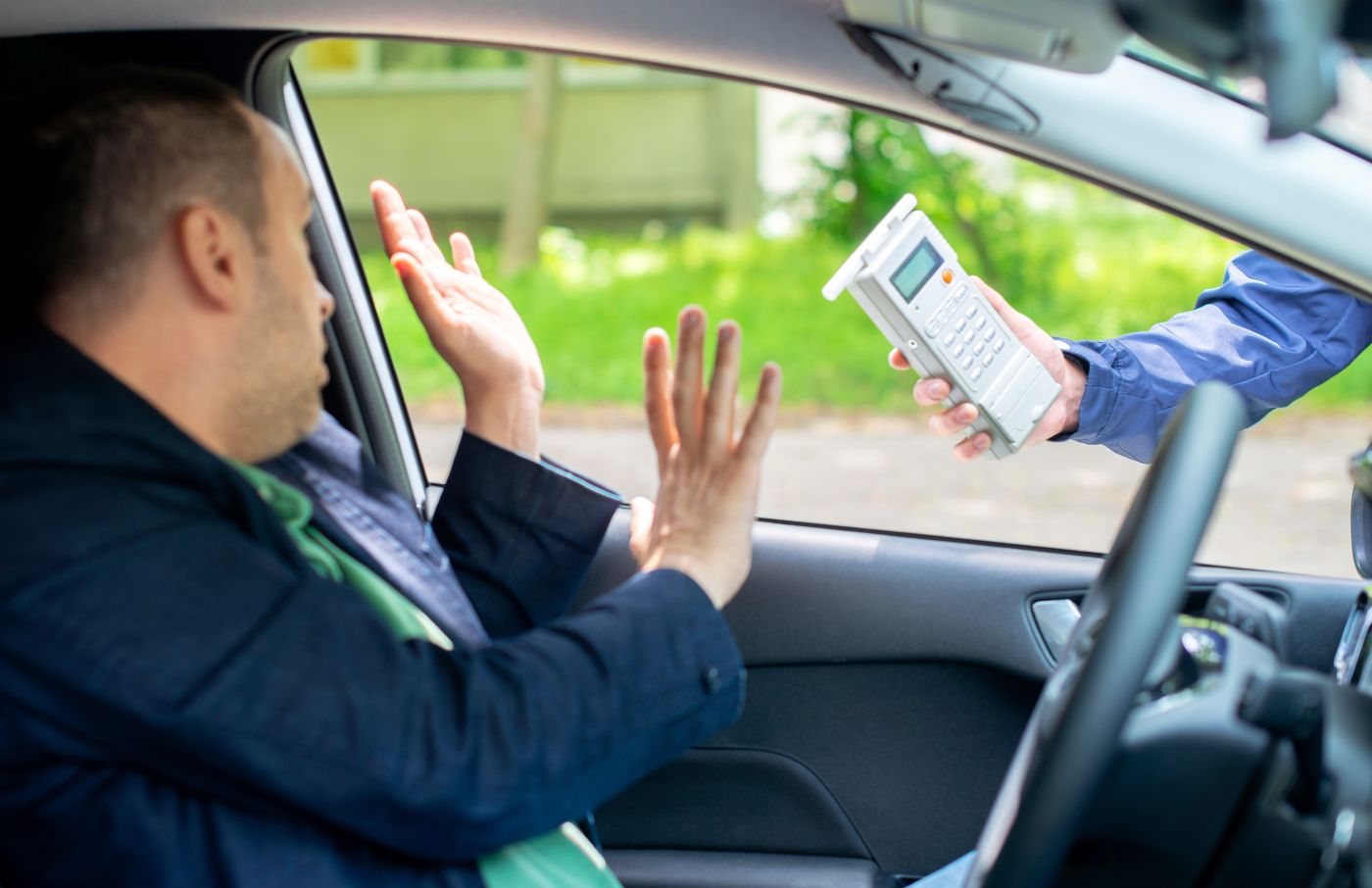
Getting pulled over is stressful enough on its own, but when an officer asks you to take a breath test, the pressure of the moment can make it hard to think clearly. You may be wondering whether you have to take the test and what refusing could mean for your driver's license and your case. Ohio's implied consent law can make the situation even more confusing, especially when you're trying to understand the consequences while dealing with the stress of a traffic stop.
At Toy & Associates, we can help you understand where you stand if you are unsure whether refusing a breath test helped or hurt your case. From our office in Athens, Ohio, we're proud to serve clients in Vinton, Jackson, Morgan, Washington, Meigs, Hocking, Fairfield, Perry, and Gallia. Reach out to us if you're facing an OVI charge and need help understanding what comes next.
Ohio operates under an implied consent law, which means that by operating a vehicle in the state, you've given statutory consent to chemical testing if you're arrested for certain OVI-related offenses and the statutory requirements are met. Refusing a breath test doesn't end the traffic stop, and it doesn't mean you won't face consequences. Instead, it can trigger a separate administrative license suspension (ALS) in addition to the consequences of an OVI charge.
Many drivers assume refusing the test keeps the state from having evidence against them, but officers may still testify about observations such as slurred speech, an odor associated with alcoholic beverages, or difficulty maintaining balance. We can look closely at every detail of the stop to determine whether the officer had reasonable grounds to request the test.
Refusing a chemical test in Ohio can result in an administrative license suspension that is separate from the criminal OVI case. Knowing what is at stake can help you understand why people often seek legal counsel right after a refusal.
These administrative penalties can apply independently of whether you are ultimately convicted of the underlying OVI charge. The list below covers some of the most common consequences you might face after a refusal:
Automatic license suspension: A first refusal typically results in a one-year suspension, even if you're never convicted of OVI, and the suspension becomes effective immediately when the arresting officer serves the notice of suspension.
Longer suspensions for repeat refusals: Prior refusals and certain OVI convictions within 10 years can significantly extend the suspension period. A second qualifying refusal, or certain prior OVI history within 10 years, can result in a two-year suspension; a third qualifying incident can result in a three-year suspension; and three or more qualifying prior refusals or OVI convictions can result in a five-year suspension.
Higher fines and fees: Refusal-related penalties often come with additional costs on top of any OVI-related fines, including a $315 reinstatement fee.
Use as evidence in court: Prosecutors may introduce your refusal as evidence, and a jury may consider it along with the other evidence in the case.
These penalties can feel insurmountable when you're already dealing with the stress of an OVI charge, but they aren't necessarily the final word. Our OVI defense team can challenge the suspension and look for ways to reduce its impact on your daily life.
The choices you make in the hours and days after a breath test refusal can shape the rest of your case. Waiting too long to get help can mean missing deadlines tied to your license suspension appeal, which must be filed at the initial appearance or within 30 days afterward.
An early conversation with our attorneys gives you a clearer picture of your options before decisions get made without your input. We look at whether the officer had the required reasonable grounds, whether proper procedures were followed, and whether the suspension can be challenged. Knowing how tight these deadlines are, we work to protect your ability to drive while your case moves forward.
What you do immediately after refusing a breath test can make a real difference in how your case unfolds. A few practical steps can help protect your rights while you wait to speak with our attorneys:
Write down what happened: Note the time, location, and details of the stop while your memory is still fresh.
Avoid discussing the incident on social media: Anything you post could end up being used against you later.
Request a hearing promptly: You may appeal an administrative license suspension at your initial appearance or within 30 days afterward.
Keep track of paperwork: Hold onto any citation, temporary permit, or documents the officer gave you at the scene.
Taking these steps won't undo the stop, but they can put you in a stronger position once your case moves forward. From there, we can start building a defense based on the facts you've gathered.
Being pulled over and asked to take a breath test can leave you feeling shaken, embarrassed, or unsure of what happens next. Those feelings are normal, and you don't have to go through your OVI case alone. We can help carry some of the weight while you focus on your daily life.
At Toy & Associates, our team will walk you through every part of the process, from the initial appearance to the ALS appeal. Our office in Athens, Ohio, serves clients in Vinton, Jackson, Morgan, Washington, Meigs, Hocking, Fairfield, Perry, and Gallia. Contact us today to get the support you need.